

In Melbourne, gas heaters should be serviced and tested for carbon monoxide spillage at least every two years by a qualified gasfitter. Older or heavily used heaters may benefit from more frequent testing, such as annually. For rental properties in Victoria, a gas safety check is required every two years.
Why Is Carbon Monoxide Testing Important for Home Heating Systems?
Carbon monoxide can be produced by anything in a household that burns gas, oil, coal, charcoal or wood as fuel, which means most home heating systems are a potential source if something goes wrong. Because the gas has no smell and no colour, a leak can build up without anyone noticing until it becomes dangerous.
Some people are more at risk if a leak does occur, including:
- Elderly people.
- Infants and toddlers.
- People with conditions such as asthma or congenital heart disease.
- Pregnant women.
- People taking certain medications.
Which Home Heating Systems Should Be Tested for Carbon Monoxide?
Service It is equipped to provide carbon monoxide testing for space heaters, wall furnaces,ducted central heaters, gas water heaters, stovetops, ovens and decorative log fires. The team is licensed and qualified to carry out these tests and works in line with both federal and state laws.
DIY Detectors vs a Professional Testing Service
Factor | DIY Carbon Monoxide Detector | Professional CO Testing Service |
What it checks | Airborne CO levels once they reach alarm threshold | Space heaters, wall furnaces, ducted heaters, gas water heaters, stovetops, ovens and log fires |
Who performs it? | The homeowner installs and monitors it. | Service It’s licensed and qualified technicians. |
Documentation | No report or record | Printed CO test report and a fully itemised invoice |
Recommended frequency | Checked per manufacturer instructions | At least once every 2 years, per Energy Safe Victoria |
What Does a Professional Carbon Monoxide Test Involve?
Service It’s technicians use specialist detection equipment to check each gas appliance in the property. Once the test is complete, you receive:
- A printed report of the carbon monoxide test results.
- A fully itemised invoice.
- Information on additional steps you can take to stay safe.
- A transparent list of any recommended repairs or replacements.
As part of a comprehensive service, a qualified gasfitter uses a CO analyser to test for carbon monoxide spillage, which is the same standard Service It’s technicians work to.
What Are the Warning Signs You Should Watch For?
There are a few tell-tale signs that a gas heater isn’t getting enough oxygen and may be releasing carbon monoxide:
- The pilot light often goes out or the heater switches off suddenly.
- The burner flame turns yellow or green instead of blue or emits soot.
- Abnormal water condensation appears on hard surfaces or windows.
- Soot builds up around the furnace or on the ceiling and walls of the heater room.
- There is debris in the flue pipe or the flue pipe is damaged.
A gas heater is more likely to emit carbon monoxide if it hasn’t been serviced in a long time, has faulty parts that haven’t been repaired or replaced or has simply become old and inefficient.
Common symptoms of carbon monoxide poisoning include headaches or migraines, vomiting or nausea, lethargy, light-headedness, heart palpitations and tightening of the chest, with loss of consciousness in severe cases. If you or anyone with you starts experiencing these symptoms, evacuate the premises, turning off appliances and electrical devices along the way and call for medical help immediately if symptoms are severe.
How Can You Help Prevent a Carbon Monoxide Leak?
- Make sure any heater you have is installed in a well-ventilated area.
- Keep your chimney and any vents free of blockages.
- Check the colour of the flame in gas appliances; if it’s yellow or orange, shut it down and have it checked.
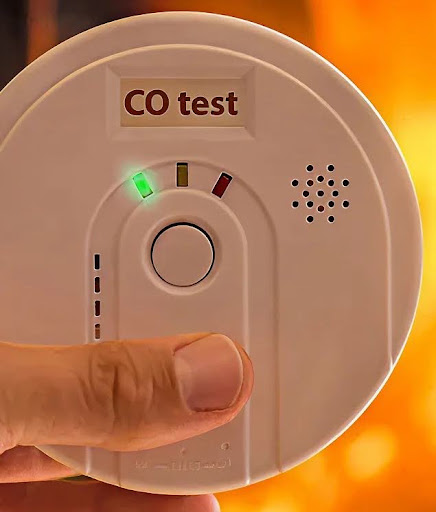
- Install a carbon monoxide alarm as a back-up, not a substitute for professional testing.
- Have your heating system professionally tested at least once every two years.
Energy Safe Victoria’s own guidance confirms this: alarms are a useful back-up, not a substitute for proper servicing and maintenance.
Why Choose Service It for Carbon Monoxide Testing in Melbourne?
Service It technicians are licensed and qualified to conduct carbon monoxide testing, complying with both federal and state laws. Once you contact the team, you’ll receive a printed report of the CO test, a fully itemised invoice and a transparent list of any recommended repairs or replacements, with all the relevant details.
Frequently Asked Questions
Is carbon monoxide flammable?
Yes. Carbon monoxide is a poisonous, colourless and odourless gas that can cause serious illness or death when inhaled.
Can I check for a carbon monoxide leak myself?
The gas itself is impossible to detect without the right equipment but there are telltale signs, such as stove flames burning colours other than blue, pilot lights going out or abnormal condensation.
How is severe carbon monoxide poisoning treated?
If carbon monoxide poisoning becomes severe, doctors have two main treatment options: basic oxygen treatment, where you breathe pure oxygen from a tank or a pressurised oxygen chamber for faster oxygen saturation.
When is a gas heater likely to leak carbon monoxide?
Gas heaters are most likely to start leaking when they haven’t been cleaned and maintained for a long time, when blockages build up from soot or when the heater itself has become quite old.
What is the first aid treatment for carbon monoxide poisoning?
Get away from the affected area and into fresh air as quickly as possible, then call emergency services.


